
Plan targets contractor markups and year-end spending sprees, so savings protect Social Security, Medicare and veterans’ care Americans earned.
FLORIDA’S 16TH DISTRICT — Kelly Kirschner, Democratic candidate for Florida’s 16th Congressional District, today announced his support for the “Scalpel Plan.” The plan comes from former federal agency CFOs and career civil servants. It sets out how Washington can start bringing down a $40 trillion national debt while protecting the benefits Americans have earned: Social Security, Medicare, and care for our veterans.
Kirschner said, “Much of the waste the plan targets survives because contractors and industries with lobbyists and corporate PACs fight to keep it.”
“Americans aren’t wrong about Washington,” Kirschner said. “Gallup found that 89 percent of us now say corruption in the federal government is widespread, the highest in two decades. But people still trust the VA nurse, the meat inspector and the forecaster tracking the next storm. What’s broken is the system wrapped around them. The people who fix it should be the ones who know where it’s broken.”
If elected, Kirschner said he would bring together former federal CFOs, budget directors, agency administrators, frontline workers and bipartisan colleagues to turn the plan’s strongest recommendations into law, starting with legislation to end year-end spending incentives and consolidate redundant reporting mandates.
A method, not a slogan
After serving as Mayor, Kirschner led workplace and executive training programs at Eckerd College’s Leadership Development Institute, which delivers internationally recognized Center for Creative Leadership programs. CCL’s research-based approach rests on a simple lesson: self-awareness is the key to being a leader of choice, and lasting change starts with honest feedback from every level.
“I spent years working with faculty, coaches and executives, growing to understand that if you want to fix an organization, you ask the people doing the job, you listen to people who disagree, and then you decide,” Kirschner said. “That’s what the authors of the Scalpel Plan did. They spent their careers inside the federal budget, and they know where the money gets trapped. When I spoke with them and read their ideas, I kept saying two words: of course.”
5 Fixes from the people who ran the budgets
The Scalpel Plan identifies five real-world ways to cut waste without cutting the services Americans count on:
- Reward saving, not spending. Many federal performance plans penalize managers who finish a mission under budget, which drives the September rush to empty accounts. The Scalpel Plan rewards results, and unspent money goes back to the Treasury.
- Cut out the middleman. When Washington needs the same work every year, it often pays a contractor more than it would pay a federal employee to do it directly, plus a corporate markup.
- Buy like a smart business. One short, fraud-resistant purchasing rulebook so small businesses can compete.
- Stop paying for reports about reports. One public spending database, one audit and one report people actually read.
- Act on waste already found. When government watchdogs flag specific waste, Congress should act immediately rather than order another study.
Why it takes Congress
With the right leadership in Congress, some of this waste can be fixed inside the agencies. The rest takes Congressional action.
“Republicans and Democrats can fix it together, to end the September rush and cut the reports nobody reads,” Kirschner said. “Frequently, the third-party contractors and the middlemen are the fight. They have friends in both parties whose campaigns they fund as modest costs of business with great ROI. We need good-faith elected officials. I will take them on anyway.”
A Scalpel, Not a Chainsaw
“Some in Washington think the answer is a chainsaw: fire the inspector and keep the paperwork,” Kirschner said. “That’s backward. You don’t balance the books by removing safeguards and breaking faith with seniors and veterans. A good surgeon picks up a scalpel. And before they make a single cut, they talk to the patient.”
The plan’s authors have set a target of $1 trillion in savings over three years.
“Their estimate is a starting point, not something to put on a bumper sticker,” Kirschner said. “Any legislation should be written with their continued involvement and independently scored by the Congressional Budget Office first. The public deserves to see the numbers, category by category.”
“Every dollar we save by making government work better should strengthen the commitments Americans have paid into their whole lives,” Kirschner said. “That means Social Security, Medicare, veterans’ care, and the basic services that keep our country safe and functioning.”
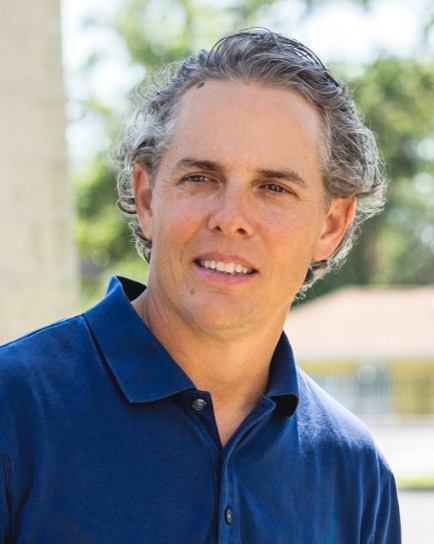
About Kelly Kirschner
Kelly Kirschner is a third-generation Floridian, a former Sarasota mayor and city commissioner, a returned Peace Corps volunteer and USAID contractor who served in Guatemala, the former Vice President and Dean of executive and continuing education at Eckerd College, and a co-founder of the ManaSota nonprofit UnidosNow, helping 1000 first generation students earn their way to top universities debt free.
He is running for Florida’s 16th Congressional District to take on the special interests driving up our cost of living.